Having a Hobby Helps in Child Development
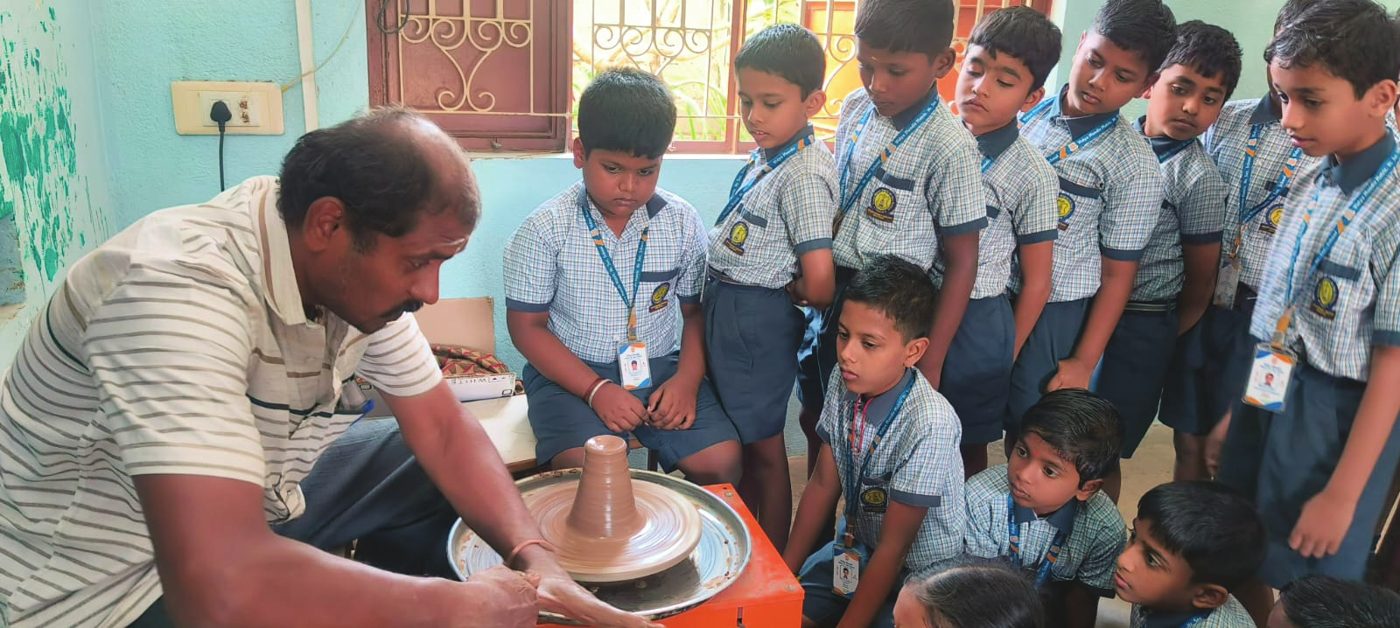
A child's education has a significant role in their life. Every youngster should have a hobby in their life since it is something that schooling alone cannot convey. Every individual owns their unique interests and choices. Each kid should have a hobby that could be helpful for them in real life. Children learn how to define as well as accomplish goals, solve problems, and make decisions through their hobbies. They can also determine what your child will become later in life because they frequently develop into lifelong passions or professions.
Let us have a look at why having a hobby in a kid’s life is necessary:
Concentration and Determination
Kids' focus is improved by hobbies. There is seldom a situation where kids can be expected to sit quietly in a room's corner. However, if the child has a talent for anything—say, painting or reading—or is engaged in something else that piques their attention, it may turn out to be their favorite pastime.
Promotes the Development of Skills
Good hobbies aid in the development of valuable talents in a variety of spheres of life, including social, scholastic, and moral spheres. The skills must be fully understood in order to perform something flawlessly. Therefore having a hobby could be the best source to enhance and sharpen the skills of a child.
Boosts Confidence and Makes the Child Intelligent
Kids develop intelligence through hobbies. Jigsaw puzzles, scrabble, and chess is just a few of the games that help kids become smarter. Additionally, it aids in strengthening children's confidence, which can be an important factor for your kid to build a bright future. They are prepared to take up new challenges and overcome whatever comes their way.
Instills Creativity
Having a hobby makes the child creative in their own way. Many activities allow one to express their creativity. Even a straightforward pastime like collecting stamps demands imagination when it comes to presentation. Their creativity can often come out when they are indulged in activities like art, music, dance, crafts, drawing, and so on.
Develop Social Skills
Children's social skills are developed through activities that require them to engage with others. Recreational activities like camping and traveling offer opportunities for group adaptation. Participating in hobby organizations and socializing with like-minded others also enhances social skills.
Acquire Knowledge of Their Hobby
Kids need to learn a lot about their interests while participating in them. For instance, if students like gardening, they will first need to understand how many types of soil there are and study various plants as well as the various flowering seasons for various plants. Children's knowledge is increased by such material. Whichever hobby they are interested in, it will help them to enhance and sharpen their skills for the same.
Toss the Boredom Out
Kids frequently experience boredom. Children who are bored may become idly active as well as dull and lethargic. It is their age when they should be involved in the activities which they are fond of and give them utmost happiness in doing it. At this age, they possess tremendous energy levels that must be directed in the appropriate directions, and for that, having a hobby really helps.
Boost Mental Faculties
Children who have hobbies may concentrate and focus more easily. They are able to hone their analytical and problem-solving abilities, which could be helpful for them in the long run as well.
The Takeaway
Having a hobby is beneficial for your child's development in many ways. It can help them learn to manage their time well. Many hobbies require a group of people to participate, so your child will likely develop social skills as well. In addition, hobbies help kids broaden their knowledge. By fostering your child's interest in a hobby, you can help them overcome the obstacles that hinder their progress.