How Are Field Trips for Kids Excellent Ways of Learning Outside Class?
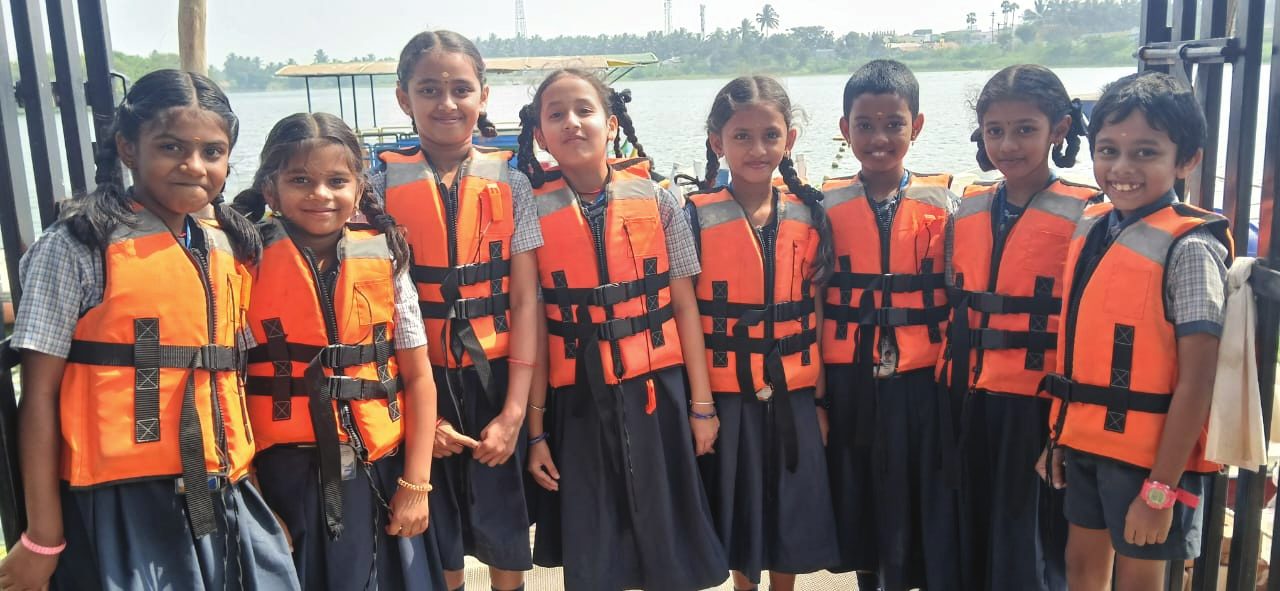
Field trips for kids are an excellent way to teach important lessons, as they also create additional attributes, such as increased discipline. Students will often travel in small groups of 30 to 40 students, and it can be difficult to control the behavior of every student. It is, therefore, important to establish clear expectations and rules before the trip and create effective consequences for misbehavior.
Enhances academic success
Field trips provide students with new experiences and opportunities to learn outside of the classroom. They can improve communication between teachers and students. Field trips also give parents a chance to get to know their child's teacher better. Even the most reserved students can come to life on these excursions.
Virtual field trips are also excellent ways for students to learn. Teachers can use these resources to take students to national monuments, museums, zoos, and aquariums. Many are free or only require a small fee. Virtual field trips are also shorter than traditional field trips, allowing teachers to focus on follow-up activities.
Increases empathy
Field trips are an apt way to reinforce what kids learn in the classroom and to connect them with the real world. Students can experience a variety of things while on a field trip, from exploring nature to studying the effects of plastic on the environment. In some cases, students can even visit college campuses to learn more about the different types of education. Students can be paired with college students who will serve as tour guides and act as mentors.
During a field trip, kids can experience new things that are not typically available in textbooks or at the school library. These experiences give kids new and valuable information that they wouldn't otherwise learn. For example, a trip to an aquarium will teach students about different types of fish and how to feed them. Another trip could be to a film studio, where students can learn about the equipment used to create films.
Increases tolerance
The benefits of field trips for kids go beyond classroom walls. One study found that students who went on an art museum tour increased their level of tolerance by 7 percent. And this effect was much greater for students from disadvantaged communities. Students from high-poverty schools and rural areas saw an improvement of nearly 13 percent.
Field trips also help students develop social, emotional, and critical thinking skills. Exposure to different perspectives and experiences increases tolerance and empathy. Students from all socioeconomic backgrounds benefit from educational field trips.
Promotes critical thinking
A field trip might turn out to be an opportunity to teach children critical thinking. Critical thinking is a skill that is learned early in childhood, but it is not fully developed until adolescence. Parents can get to help children develop this skill by modeling it for them. They can encourage children to ask questions, solve problems, and explain things. They can also help children develop their language skills by encouraging them to speak with different verb tenses.
One study associated with the University of Arkansas found that field trips to museums increase students' critical thinking skills and empathy. This is because they learn a new perspective on an art piece, and this, in turn, helps them build their critical thinking skills. In addition, children have the opportunity to ask questions and think for themselves, which helps foster their curiosity and creativity.